Insiders Are Selling Into the Rally
While oil prices surge to their highest levels since 2023, the daughter of late wildcatter Autry Stephens is unloading roughly $2 billion in Diamondback Energy stock — 11 million shares acquired from her father's company sale. The timing is striking: Murban crude, a Middle East benchmark that bypasses the Strait of Hormuz, just crossed $103 per barrel as Iran war tensions escalate.
Markets Price in Stagflation Risk
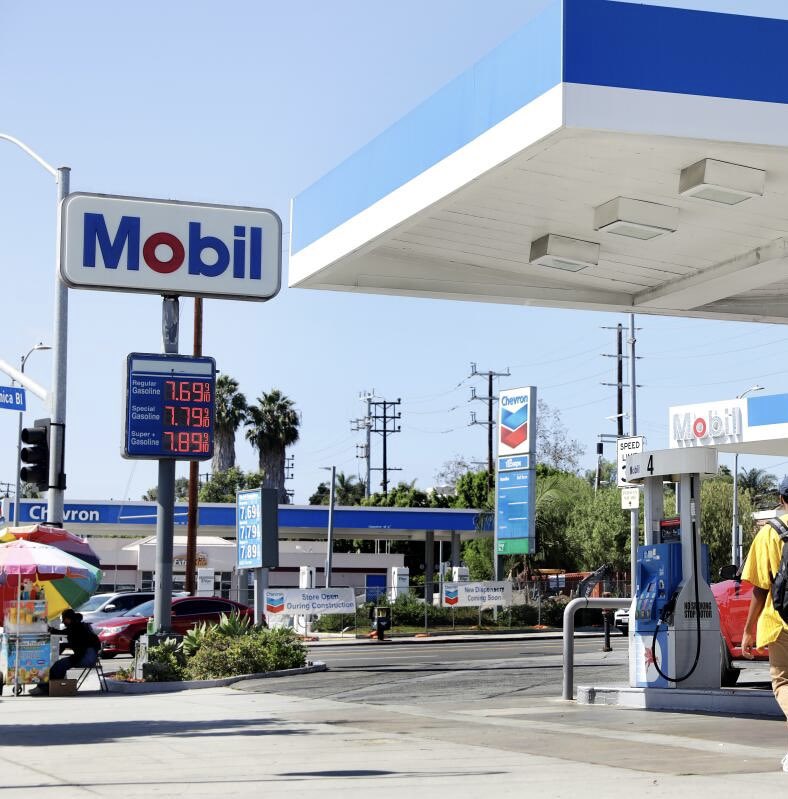
Stocks dropped Friday after a disappointing jobs report fueled fears of a worst-case economic scenario: stagnating growth paired with rising inflation. Energy equities are caught in the crossfire despite oil's climb — a classic sign that traders view higher crude prices as an economic headwind rather than a sector tailwind. "BREAKING: US gas prices are forecasted to cross over $4 this month — more than a full dollar higher than February," Kalshi posted, quantifying the consumer pain ahead.
The Political Calculus
Gas price spikes translate directly to approval rating drops, and prediction market traders know it. Nate Silver put it bluntly in his Silver Bulletin analysis: "It's not exactly a bold prediction to suggest this will be bad for Trump's political standing." With pump prices jumping a dollar in weeks, the political ramifications will show up in approval markets and 2028 election odds. Energy policy suddenly matters again — not as a climate issue, but as a pocketbook one.
What Traders Are Watching
The Diamondback insider sale signals smart money hedging against energy sector volatility despite the oil price surge. If Murban crude holds above $100 while US consumer demand weakens, that's a recipe for margin compression across the oil patch. Meanwhile, crypto traders are gaming out the second-order effects: higher oil could pressure risk assets like bitcoin if stagflation fears intensify. The jobs data already showed cracks — weak payroll growth with sticky inflation. Watch gas price markets on Kalshi and presidential approval numbers for early signals on whether this oil spike becomes a sustained political problem or a temporary geopolitical premium.