The Fed Put Is Dead
Bond traders have stopped pricing in even a single Federal Reserve rate cut for 2026 — a dramatic reversal that leaves markets with zero expectations for monetary relief despite mounting recession odds. Just weeks ago, traders anticipated at least one cut by year-end. Now, futures markets reflect a hard freeze on policy as geopolitical oil shocks collide with sticky inflation, trapping the Fed between conflicting data signals.
War, Gas Prices, and the Inflation Time Bomb
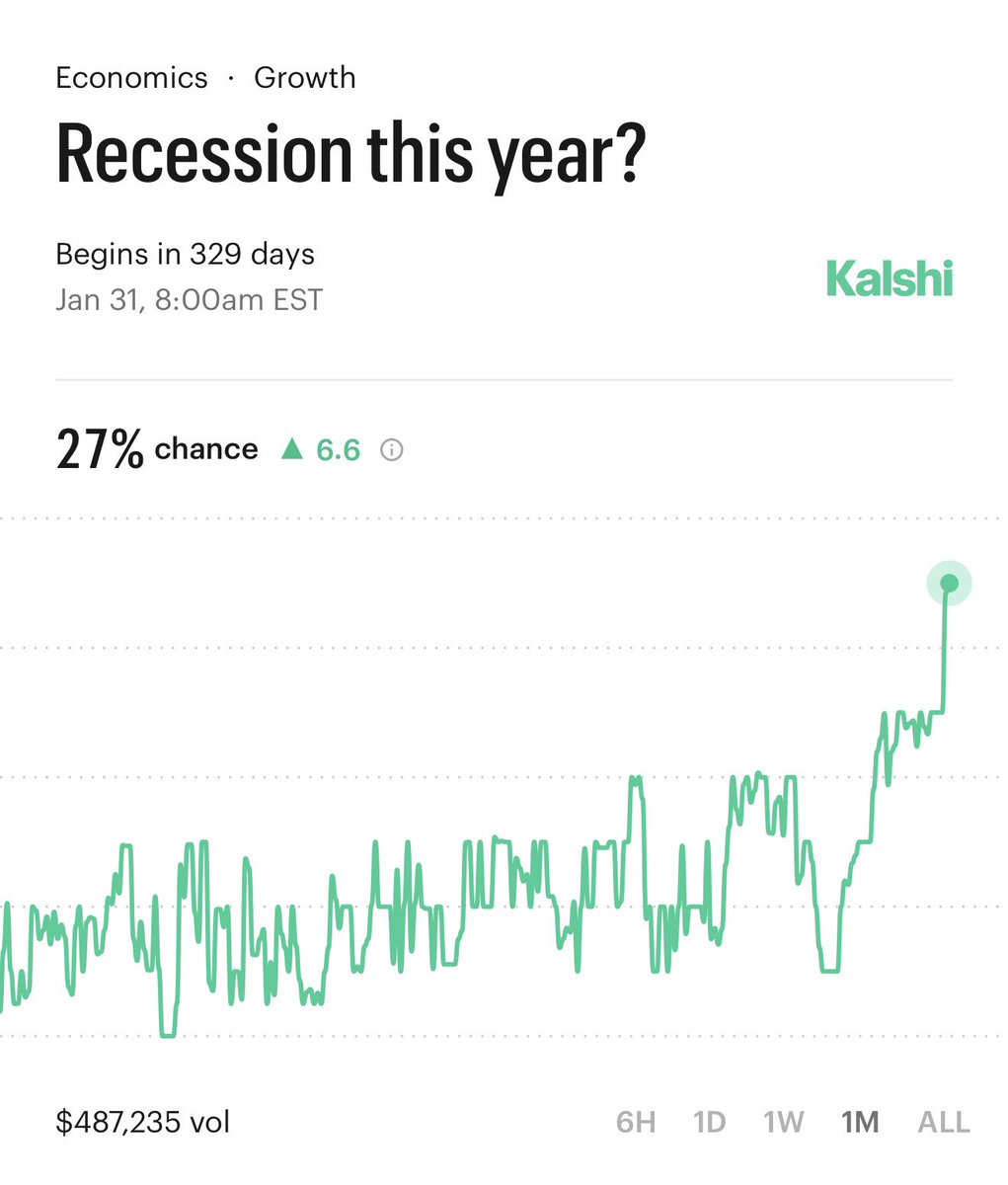
The catalyst is Iran. Richmond Fed President Tom Barkin warned Thursday that rising gasoline prices are inherently inflationary, and the central bank is closely monitoring secondary effects on the broader economy. "Gas prices, obviously, if they're up, that is inflationary," Barkin told Bloomberg Television. The Fed knows that cutting rates won't bring pump prices down — and could instead fuel a broader inflation spiral. As @Kalshi noted, Fed Governor Mary Daly warned this week that "both goals at risk now," with markets pricing just a 25% chance of even one rate cut.
Cleveland Fed President Beth Hammack went further, telling Bloomberg's Michael McKee she expects rates "to be on hold for quite some time." Chicago's Austan Goolsbee offered the most dovish take, saying he's "hopeful" cuts could start by year-end — but even that optimism hinges on inflation cooperating. JPMorgan Chief US Economist Michael Feroli bluntly assessed the situation: "Inflation going in wrong direction." The Fed's latest Beige Book painted a picture of consumer pullback driven by "economic uncertainty, increased price sensitivity and lower-income consumers pulling back on spending" — yet policymakers are frozen, unable to ease into weakness for fear of stoking price pressures.
Recession Odds Surge as Policy Tools Evaporate
Prediction markets are now pricing recession risk at a record 27%, per Kalshi data — the highest level since tracking began. That's a striking disconnect: deteriorating economic signals paired with zero rate relief. The February jobs report came in as what Goolsbee called a "tough miss," yet Fed officials are unified in their pause stance. Governor Christopher Waller flagged ongoing tariff risks and war-related inflation pressures as dual threats that keep the Fed's hands tied.
The policy paralysis extends to bank regulation, too. Fed Vice Chair for Supervision Michelle Bowman announced Thursday that new bank capital proposals will be unveiled in the coming week — a reminder that regulatory tightening continues even as credit conditions strain. Former President Trump added pressure by calling for an emergency rate cut, per @JgaltTweets, but the Fed appears unmoved. Richmond's Barkin characterized current monetary policy as "modestly restrictive," a description that sounds insufficient if recession odds are climbing toward one-in-four.
What Traders Are Watching
The March 17-18 FOMC meeting is now a formality — no one expects movement. Instead, watch Powell's press conference for any shift in the "higher for longer" framing. If oil prices stabilize or jobs data deteriorates further for multiple months, Goolsbee's year-end cut scenario could regain traction. But for now, traders have repriced the Fed as paralyzed: unable to cut into inflation fears, unable to ease into weakness. The 2026 rate outlook has gone from optimistic to frozen in under a month.