Justices Break Silence on Shadow Docket
In an unusual joint appearance, Supreme Court Justices Brett Kavanaugh and Ketanji Brown Jackson publicly disagreed on how the court should handle the flood of emergency requests arriving on its docket — a debate with direct implications as Trump-related appeals accelerate toward the high court. The justices rarely speak candidly about internal processes, making the exchange a window into tensions over the court's emergency procedures, which critics have dubbed the "shadow docket" for its speed and lack of transparency.
Kavanaugh and Jackson's differing views signal potential fault lines as the court faces pressure to rule quickly on politically charged cases. Emergency applications bypass normal briefing schedules and oral arguments, allowing the court to act in days rather than months. The justices' public disagreement suggests unresolved questions about when speed should override deliberation.
Lower Courts Erode Federal Preemption in Gambling
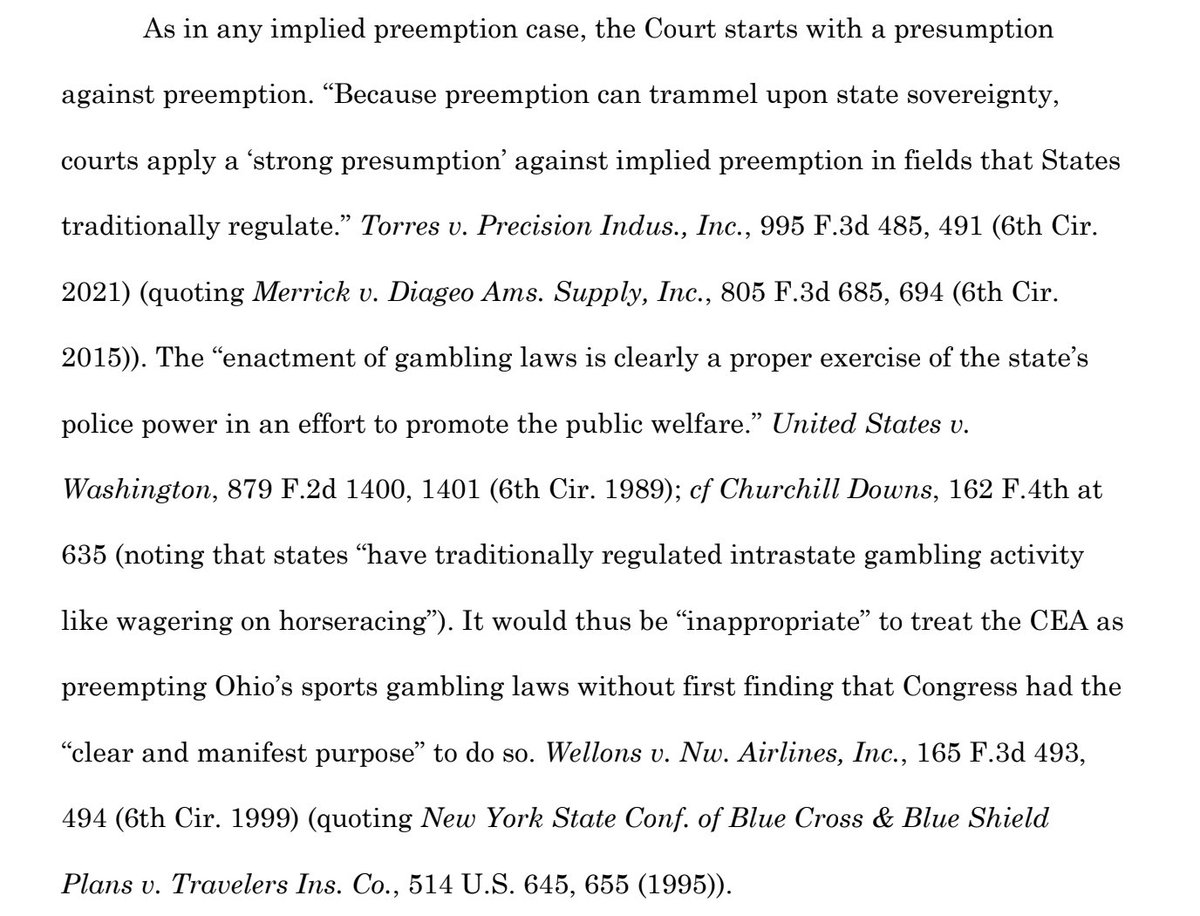
Meanwhile, a parallel legal trend is reshaping the regulatory landscape for prediction markets. A third federal court has now recognized the "strong presumption against preemption" in gambling regulation, joining courts in Maryland and Massachusetts in applying that standard. As @WALLACHLEGAL noted, "The third court in a prediction markets case to recognize the 'strong presumption against preemption' in a field (i.e., gambling) traditionally regulated by states."
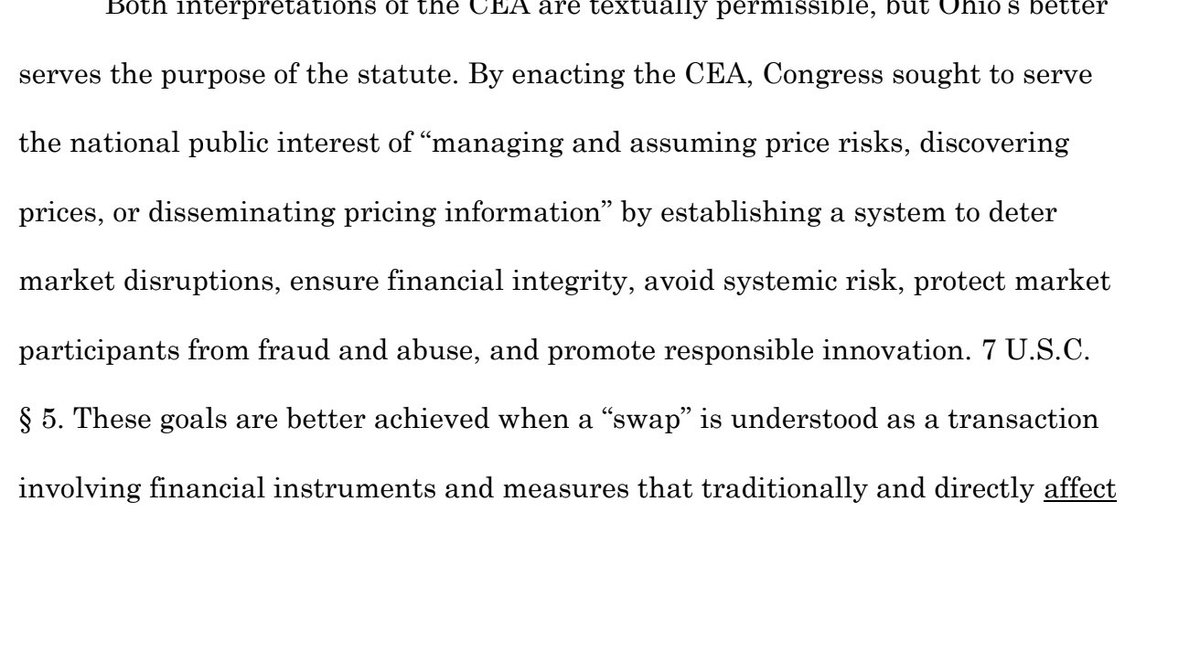
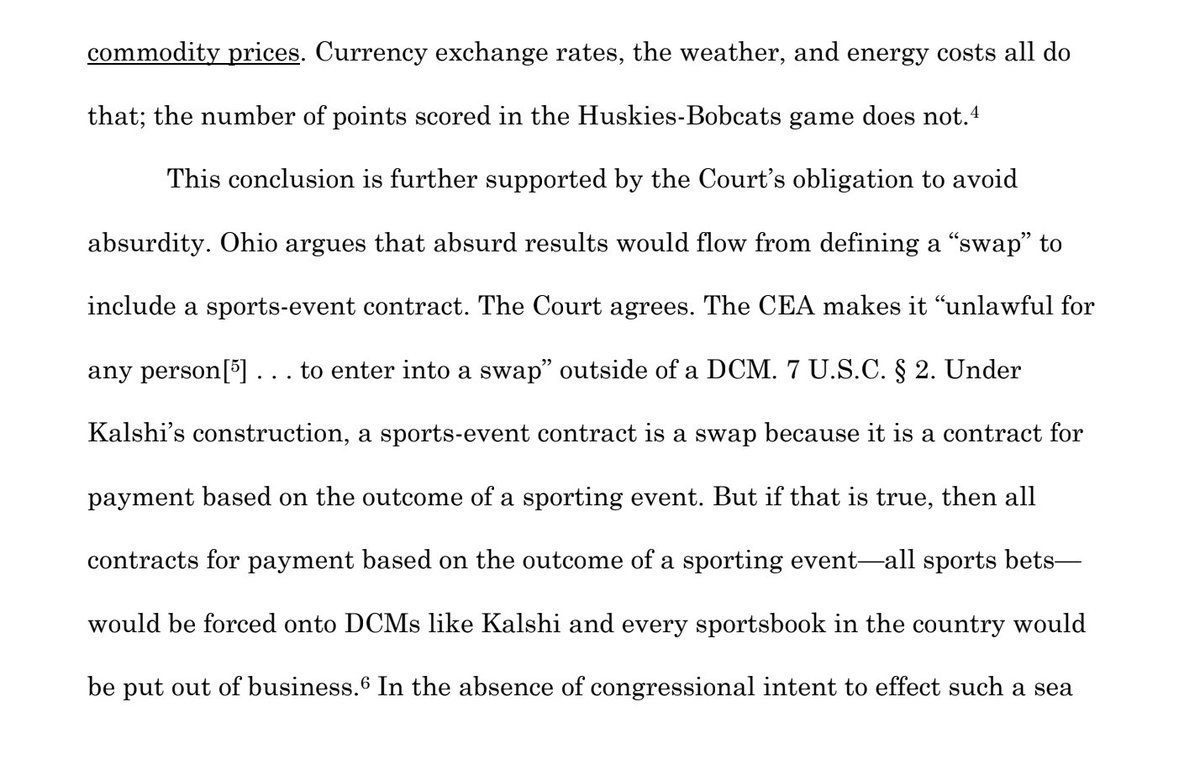
Judge Morrison's analysis in the latest ruling emphasized that Congress designed the Commodity Exchange Act to serve "the national public interest of 'managing and assuming price risks, discovering prices, or disseminating pricing information' by establishing a system to deter market disruptions." The ruling suggests federal regulators may have less authority to override state gambling laws than previously assumed — a development that could fragment the regulatory map for platforms like Kalshi and Polymarket.
Tribal Nations Win Every Amicus Brief
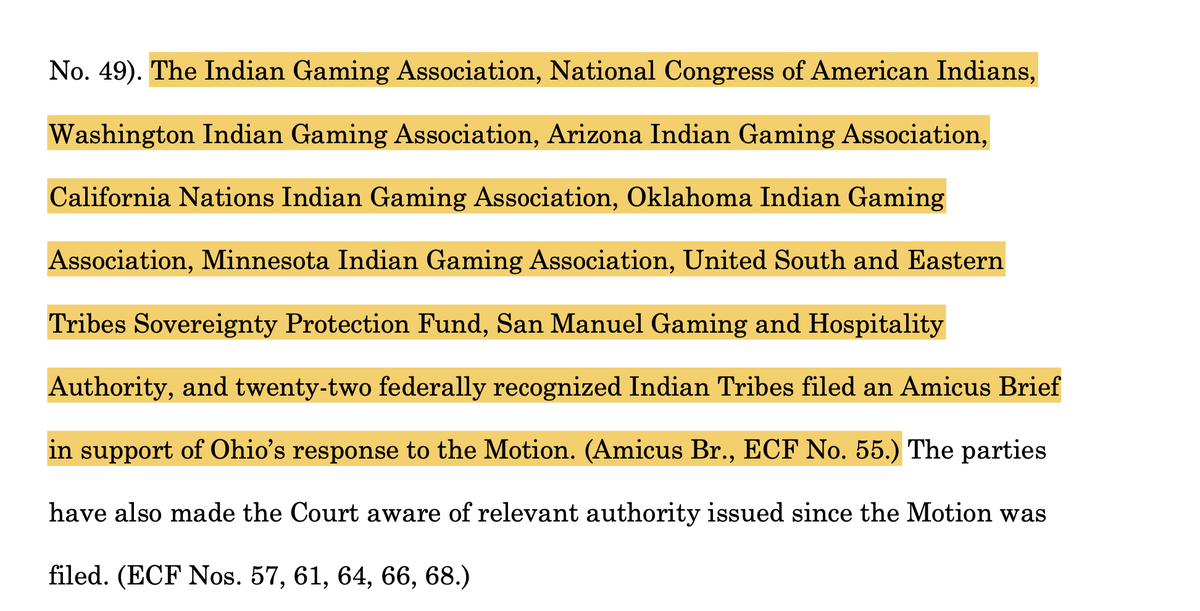
The scorecard for tribal involvement in these cases is striking: tribes are now 5-0 as amicus curiae participants across Maryland, Nevada (three times), and Ohio. States that hired outside counsel are 2-0 (Nevada and Ohio). "Tribes are 5-0 as amicus curiae. States are 2-0 with outside counsel," @WALLACHLEGAL tracked. The pattern suggests sophisticated legal strategy from tribal governments, who have economic stakes in both gambling regulation and the scope of federal authority.
What This Means for Markets
The Supreme Court's emergency docket debate matters because rushed rulings can move markets violently — especially when Trump legal appeals are involved. If Kavanaugh's camp prevails and the court continues expediting politically sensitive cases, traders should expect sudden shifts. If Jackson's approach gains traction, expect longer timelines and more predictable court calendars. For prediction market operators, the erosion of federal preemption creates regulatory uncertainty state by state, potentially forcing platforms to navigate 50 different legal regimes rather than one federal standard.