The Succession Nobody Expected
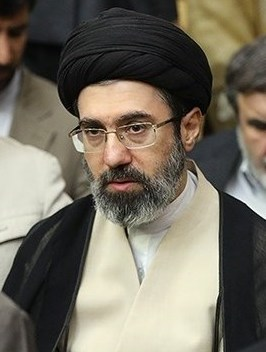
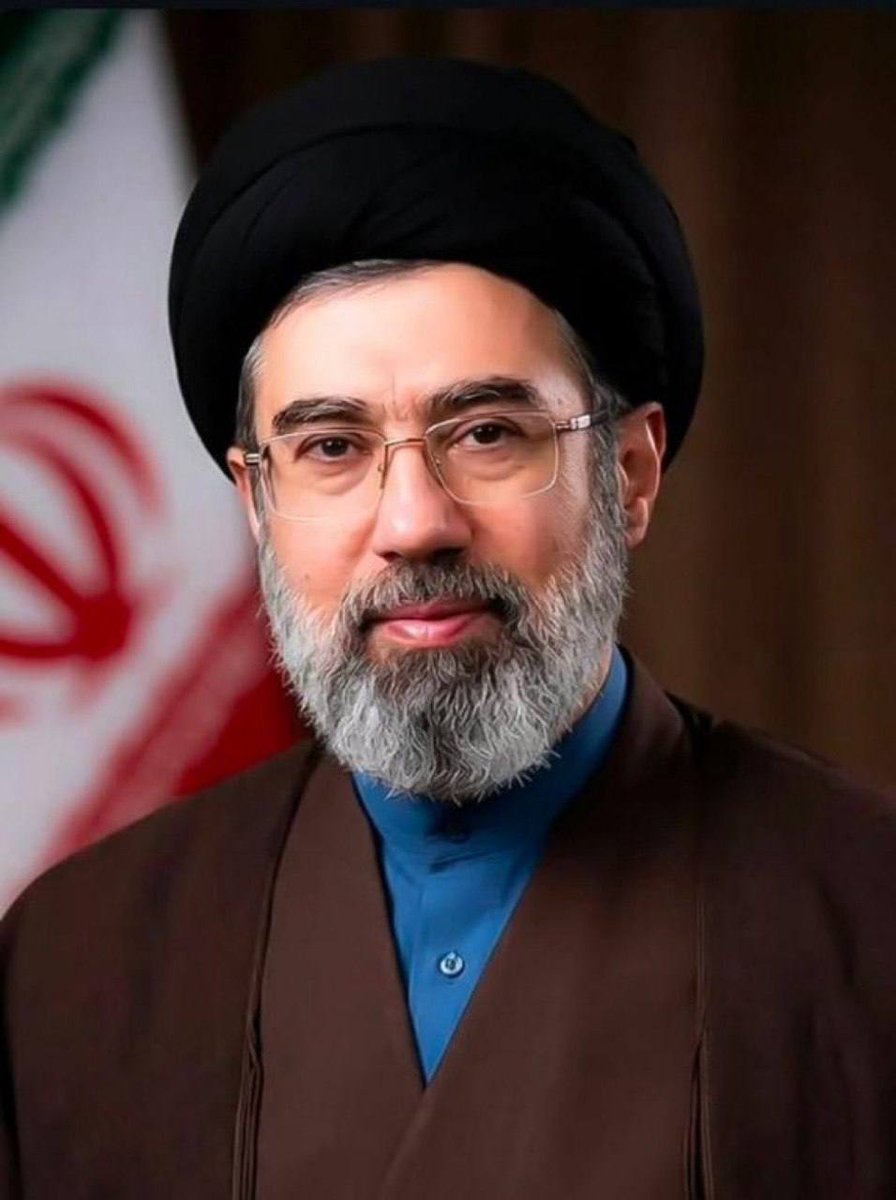
Mojtaba Khamenei, the 56-year-old second son of Iran's slain Supreme Leader Ali Khamenei, has been named his father's successor by the Assembly of Experts — a choice that breaks the Islamic Republic's stated aversion to dynastic rule and signals defiance even as the regime reels from U.S. and Israeli bombardment. Iranian state media announced the decision Sunday, though the secretariat delayed the formal announcement amid a dispute over whether the 88-member clerical body must meet in person to vote or can simply declare consensus.
A Hardliner Inherits a Collapsing Security Apparatus
The younger Khamenei takes power after "major combat operations" by the U.S. and Israel killed his father along with Ali Shamkhani (the supreme leader's top security adviser), Mohammad Pakpour (Islamic Revolutionary Guard Corps commander), and Defense Minister Aziz Nasirzadeh. The attacks also targeted Mojtaba himself, but he survived. The timing is brutal: Iran is at its most vulnerable state since the 1979 revolution, virtually at war with Gulf neighbors, and now led by a man whom Donald Trump has already called "an unacceptable choice."
Mojtaba's credentials raise eyebrows. Born in 1969, he joined the Revolutionary Guard at 17, serving in the Habib Battalion during the Iran-Iraq War — what the Atlantic Council calls a "notoriously ideological unit" led by a Hezbollah founder. As a cleric, he studied under the late Ayatollah Mohammad Taghi Mesbah Yazdi, who advocated killing Iranian youths who promoted "Western immorality." But his theological credentials are modest compared to traditional supreme leader standards, and the Council on Foreign Relations reported that Ali Khamenei had floated potential successors with stronger administrative backgrounds — none of them Mojtaba.
What Traders Are Watching
"For how long will Mojtaba Khamenei be Supreme Leader of Iran?" @JgaltTweets asked, capturing the skepticism among observers. "Let's see how long he lasts. Less than a week?" another post wondered. The succession consolidates hardline control, but it also raises questions about regime stability. "Did they make him an ayatollah??" @Just_Curius questioned, highlighting concerns about whether Mojtaba was elevated to the necessary clerical rank.
The move toward dynastic succession — after decades of revolutionary rhetoric against monarchy — suggests the regime prioritizes continuity over legitimacy. Mojtaba is expected to be more hardline than his father, according to sources cited by Axios, with close ties to the security and intelligence bodies staffed by fellow Habib Battalion alumni. The Guardian notes that appointing a new leader is "the least of Iran's troubles" as the country faces an ongoing U.S.-Israeli onslaught and regional isolation.
The Dynasty Question
The succession marks a turning point for the Islamic Republic's governing model. Ali Khamenei himself came to power in 1989 after serving as president, bringing both administrative experience and established theological credentials. His son's ascent — pushed through by supporters claiming "overwhelming majority of votes" from the Assembly of Experts — abandons that standard. The Iranian body announced it reached a "consensus" but initially wouldn't name the successor "due to security reasons," according to NBC News reporting. The delayed, disputed process underscores the regime's fragility at a moment when military strikes have decapitated its leadership structure and energy infrastructure remains under attack.