The DOJ Takes on Live Nation's Concert Empire
The Justice Department's antitrust trial against Live Nation Entertainment began this week, accusing the concert giant of operating as a monopoly that harms music fans through inflated ticket prices and restricted venue access. The case targets Live Nation's vertical integration — owning Ticketmaster, controlling major venues, and promoting tours — which prosecutors argue gives the company unchecked power over the entire live music ecosystem. Live Nation denies the monopoly charge, arguing that competition exists from smaller regional promoters and alternative ticketing platforms.
Why Traders Should Care About Monopoly Enforcement
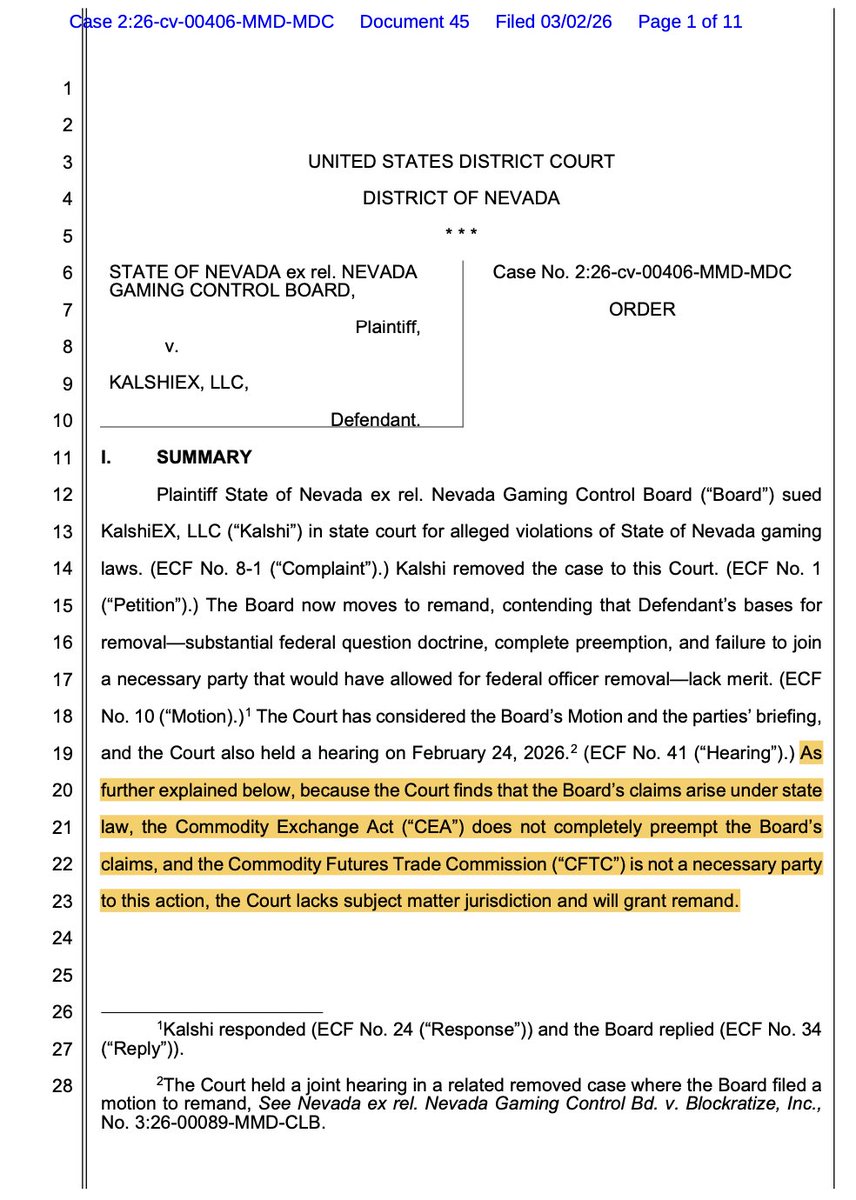
The Live Nation case signals renewed DOJ appetite for breaking up dominant platforms, a trend that could reshape markets across tech, finance, and entertainment. But the real parallel for prediction market traders is playing out in Nevada courtrooms this week. Judge Du's ruling in the Nevada Gaming Control Board vs. Kalshi case just rejected federal preemption arguments, clearing the way for state-level enforcement against the prediction market platform.
Kalshi Faces Nevada Exit Within Days
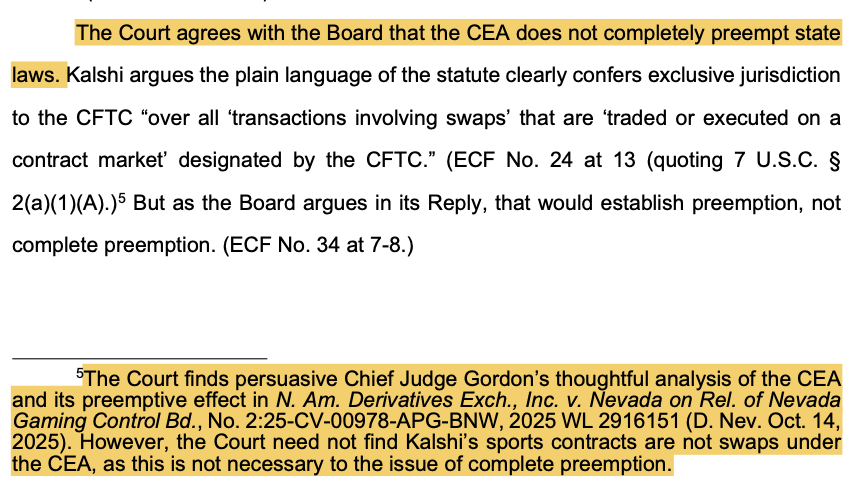
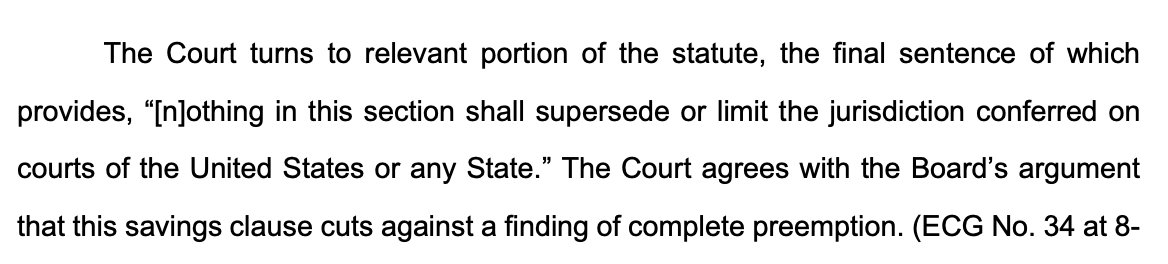
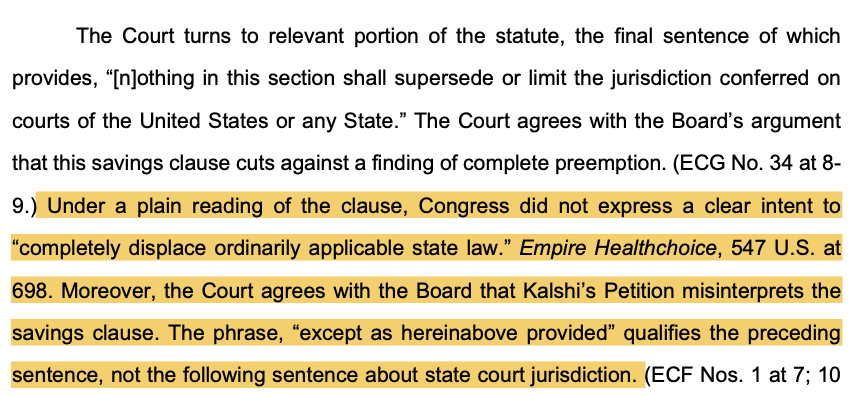
As @WALLACHLEGAL noted, "Kalshi is now one giant step closer to being forced to geofence in Nevada. A Hail Mary #SCOTUS emergency application (possible this week) and an expedited CA9 stay grant (unlikely) is all that stands in the way of Kalshi exiting Nevada as soon as next week." Judge Du's decision found that the Commodity Exchange Act does not completely preempt state gambling laws, citing a savings clause that preserves state court jurisdiction. "Under a plain reading of the clause, Congress did not express a clear intent to 'completely displace ordinarily applicable state law,'" the judge wrote.
The Federal vs. State Jurisdiction Battle
Judge Du's analysis drew on Chief Judge Gordon's earlier ruling in a Crypto.com case, establishing precedent that federal commodity trading law doesn't automatically override state gambling regulations. This matters because it fractures the regulatory landscape — platforms can be CFTC-approved federally but still face state-by-state enforcement. The pattern mirrors concerns about how a Live Nation breakup would interact with state concert promotion licensing and venue regulations.
What to Watch Next
Kalshi's only remaining options are a Supreme Court emergency stay (possible but rare) or an expedited Ninth Circuit appeal (which @WALLACHLEGAL calls "unlikely"). If neither materializes, the platform exits Nevada within days, setting a precedent for other states to challenge federally-approved prediction markets. Meanwhile, the Live Nation trial will test whether courts will force structural breakups of dominant platforms or settle for behavioral remedies. Both cases hinge on the same question: when federal approval meets state resistance, which layer of regulation wins?